Moving to a new school level is an important milestone in a child’s development, bringing changes in the learning environment, approaches to learning, social relationships, and independence. To help parents better prepare their children for this transition, AHB School hosted the workshop “Preparing children for school transitions: Supporting them on their next journey”, featuring Dr. Nguyen Tu Anh.
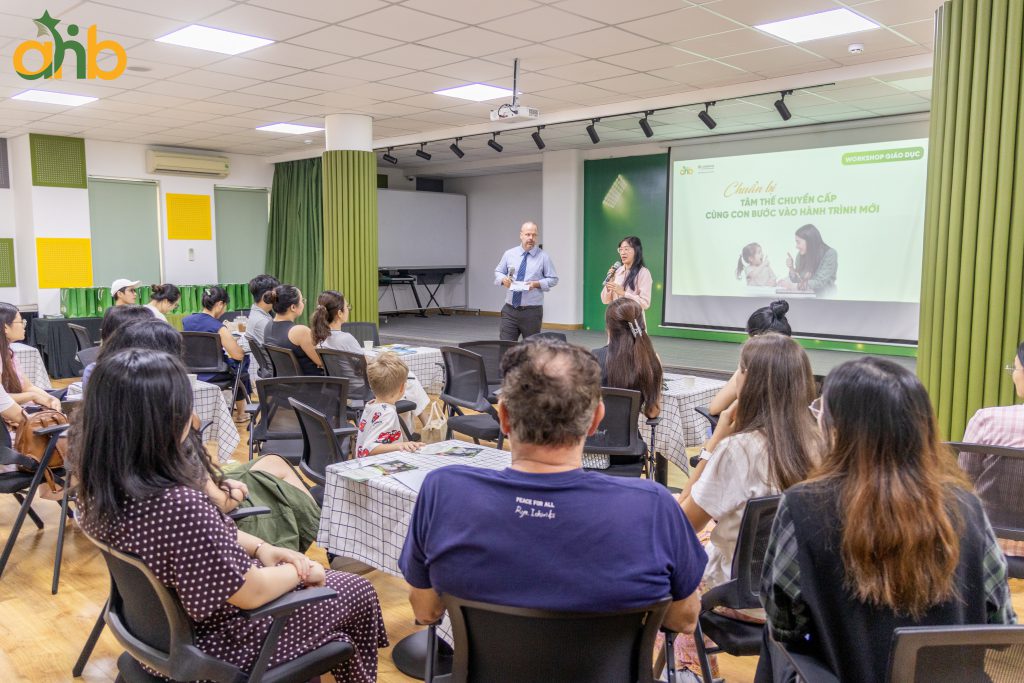
Parents attended the workshop to gain practical insights into preparing their children for the next stage of education
School Transition Is About More Than Academic Learning
Parents often have concerns about their children’s ability to care for themselves, stay focused, keep up with the curriculum, build friendships, and adapt to new routines when moving to a higher grade level. In response to these concerns, Dr. Nguyen Tu Anh highlighted how each educational stage brings different developmental expectations:
- Preschool: Children learn through play, exploration, and hands-on activities, with regular guidance from adults.
- Primary School: Children become familiar with structured subjects, classroom rules, and gradually learn to manage their personal belongings independently.
- Secondary School: Students are expected to manage their time, keep up with multiple subjects, develop independent study habits, and adapt to psychological and social changes.
Beyond academic learning, children may also face emotional challenges, such as being away from family, making friends, expressing their needs, and resolving disagreements. During adolescence, the desire for independence, peer pressure, changes in self-image, and increased exposure to the digital world can make emotional well-being more complex.
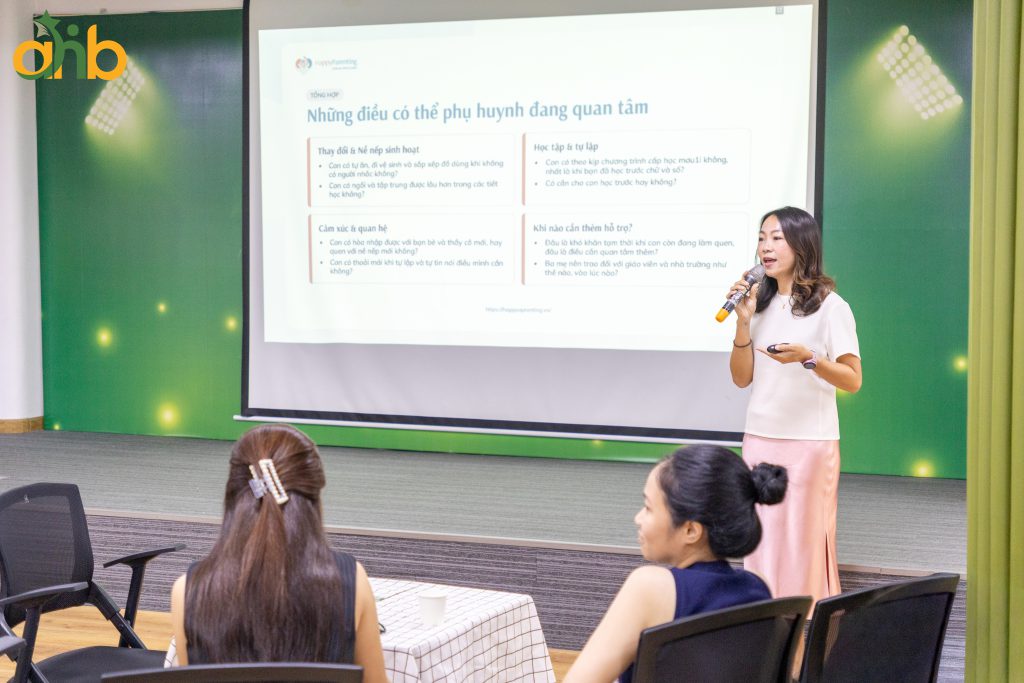
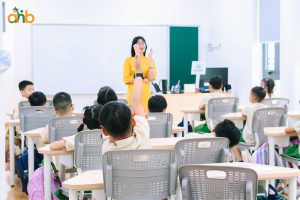
Dr. Nguyen Tu Anh shared insights into parents’ concerns as their children prepare to enter a new educational stage
Therefore, school readiness should not be measured solely by a child’s ability to read, write, or perform mathematical calculations. Children also need to develop healthy routines, self-care skills, communication abilities, and emotional regulation to adapt confidently to a new learning environment.
Building Independence Through Daily Habits, Learning Skills, and Emotional Development
During the in-depth session, Dr. Nguyen Tu Anh highlighted three key areas that support children’s ability to adapt and thrive.
Healthy Routines and Independent Living Skills
Adequate sleep, proper nutrition, regular physical activity, and sufficient rest directly influence children’s concentration, memory, and ability to regulate their behavior. Recommended daily sleep durations vary by age:
- Children aged 3-5: 10-13 hours per day.
- Children aged 6-12: 9-12 hours per day.
- Teenagers aged 13-18: 8-10 hours per day.
Physical activity not only supports children’s health but also helps develop attention, coordination, and behavioral control. The World Health Organization (WHO) recommends that children and adolescents aged 5-17 engage in an average of at least 60 minutes of moderate-to-vigorous physical activity per day.
Parents are encouraged to assign age-appropriate responsibilities, such as organizing personal belongings, packing school bags, and keeping track of their timetables. Rather than doing everything for their children, parents can guide them step by step and gradually reduce their support, allowing children to develop independence and a sense of responsibility.
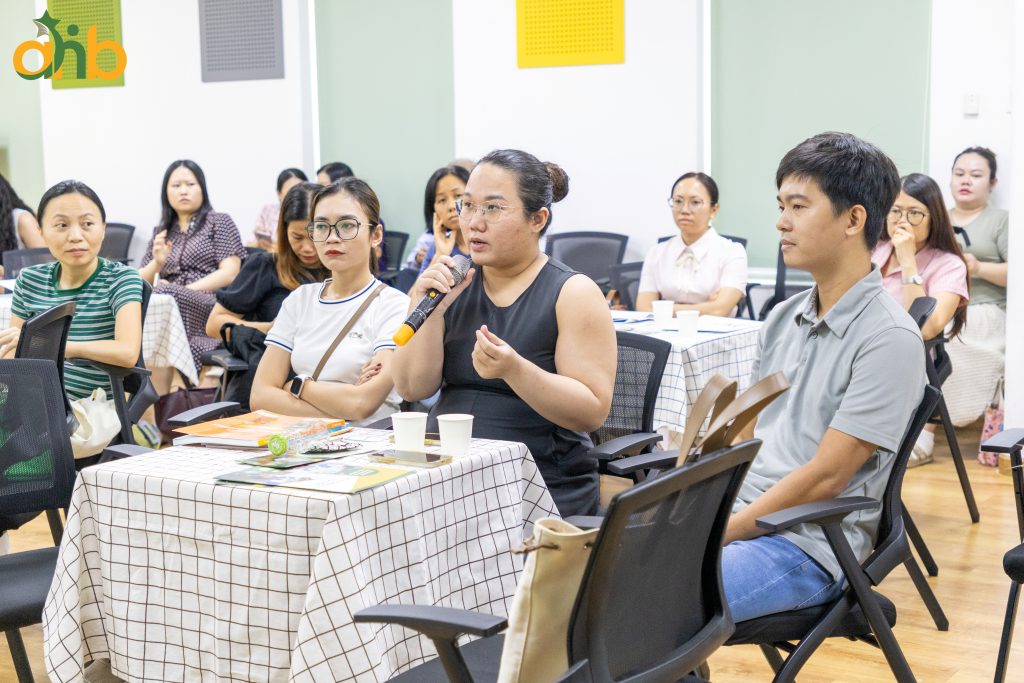
Establishing healthy daily routines was one of the topics that attracted considerable interest from parents
Developing Learning Skills and Self-Management
One key topic discussed was the difference between understanding a lesson and completing a learning task independently. To become independent learners, children need to understand instructions, remember the steps involved, get started, maintain focus, and review their work. These abilities are part of executive function.
For bilingual students, parents should identify whether their children’s learning difficulties stem from:
- Subject knowledge: Not fully understanding the lesson content or concepts.
- Language: Having difficulty with academic vocabulary or instructions in English.
- Organization: Struggling to plan the steps, get started, or review completed tasks.
When supporting children with homework, parents should look beyond the final result. Observing how children approach problems, encouraging their progress, and guiding them to find solutions when challenges arise can help strengthen their learning skills and confidence.
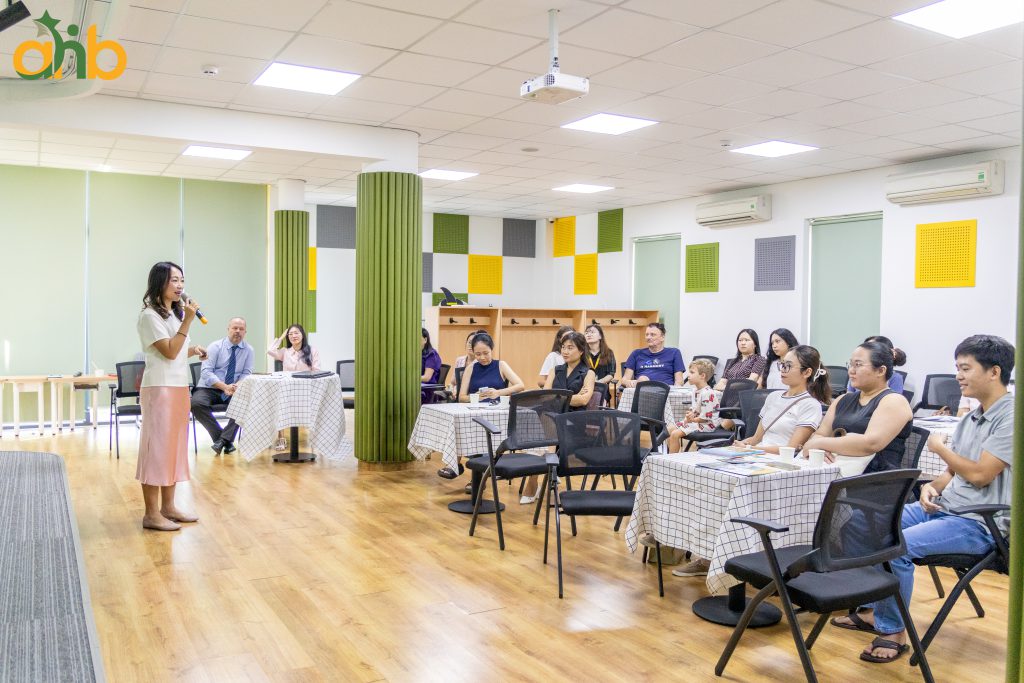
Parents listened to practical insights on developing their children’s learning abilities and independence
Nurturing Emotional Well-Being and Social Skills
Every child has a unique personality and adapts to change at their own pace. Rather than trying to change a child’s personality, parents should help them develop essential skills, including:
- Expressing their needs and emotions.
- Seeking help when facing difficulties.
- Respecting other people’s feelings and personal boundaries.
- Resolving disagreements calmly and adapting to new situations.
The speaker also emphasized three fundamental psychological needs of children: Attachment & Safety, Competence, and Autonomy. When these needs are met, children feel more confident in accepting mistakes, expressing their opinions, and proactively seeking support when needed.
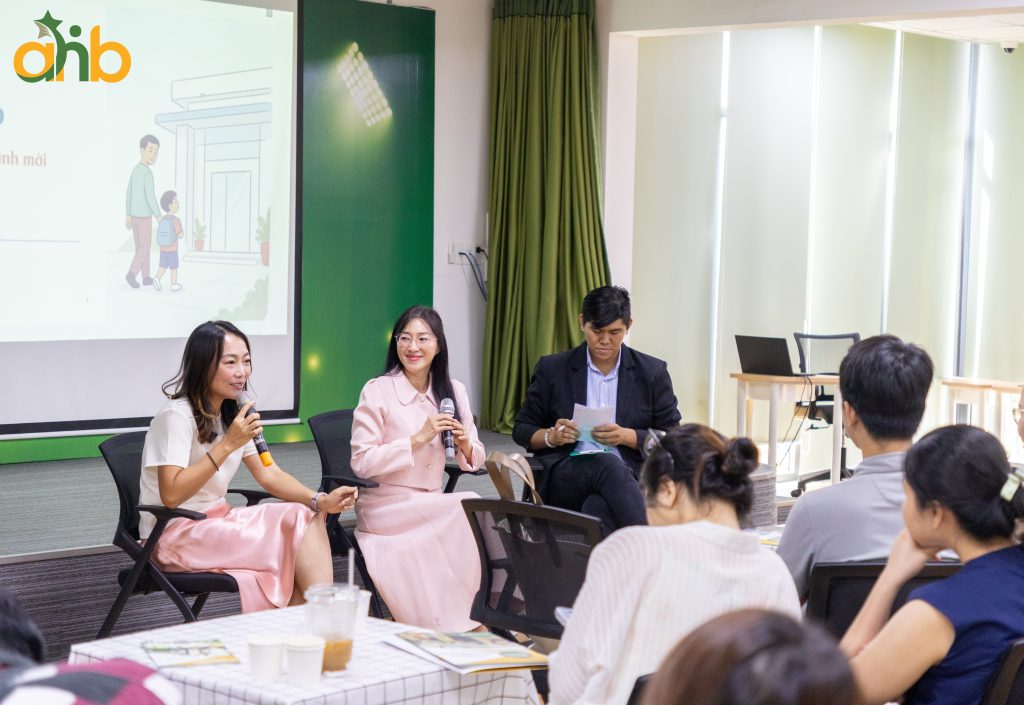
The workshop provided an opportunity for parents to exchange ideas and discuss their children’s development with the expert and AHB
Family and School Partnership: Identifying Challenges and Supporting Every Child
An important message from the workshop was that a successful school transition requires collaboration among families, schools, and students themselves.
- Families: Maintain healthy routines, observe changes in their children, provide opportunities to practice independence, and adjust expectations according to their children’s needs.
- Schools: Provide clear guidance, build trusting relationships, and create opportunities for students to participate actively in the learning environment.
- Students: Gradually take responsibility for personal tasks, communicate their needs, and seek support when necessary.
When a child’s difficulties persist or significantly affect their daily routines, learning, or relationships, families are encouraged to communicate with the school or seek guidance from an appropriate specialist. Understanding the underlying causes is essential to providing timely and effective support.
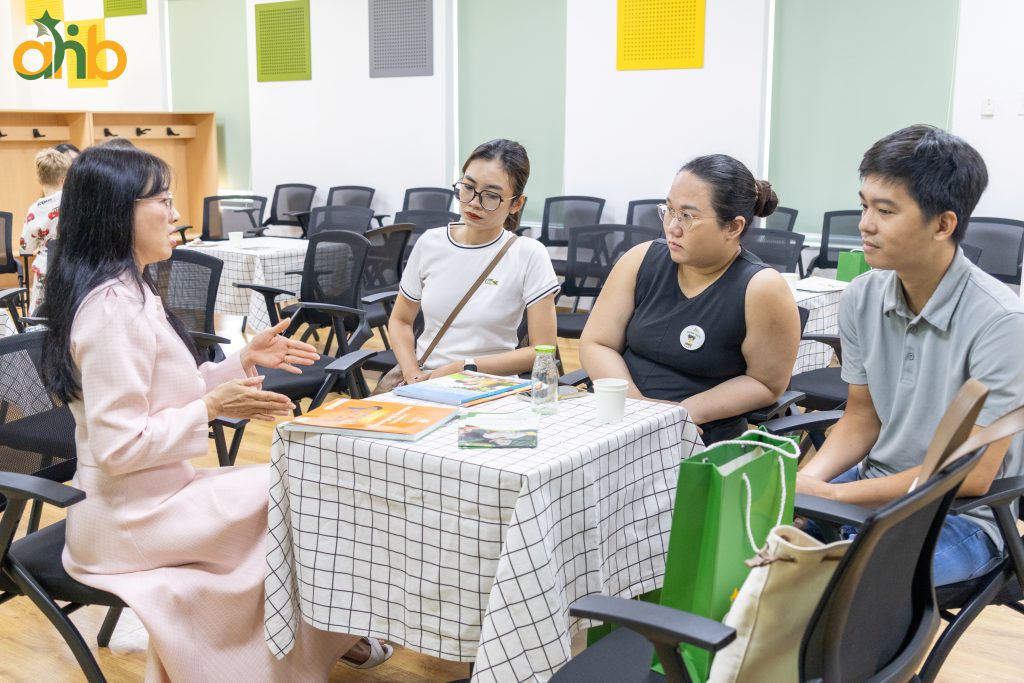
The partnership between families and schools plays an important role in supporting children’s development
Through expert insights, real-life examples, and interactive discussions, the workshop “Preparing children for school transitions: Supporting them on their next journey” offered parents a comprehensive perspective on school transitions, along with practical approaches to preparing their children academically, socially, and emotionally.
AHB sincerely thanks Dr. Nguyen Tu Anh and all participating parents for being part of the workshop. We hope the insights shared will serve as a valuable resource for families as they support their children in embracing the next stage of learning with confidence and readiness.
Learn more about Anne Hill’s Preschool and Primary education programmes:
- Tel: +84 901 846 995
- Address: Saigon Villas Hill, 99 Le Van Viet Street, Tang Nhon Phu Ward, Ho Chi Minh City, Vietnam
- Website: https://annehillbilingual.school/
- Fanpages: